


Cape Toi Miyazaki is a realistic full-day road trip from Hyuga if you want a change from beach-break mornings: expect roughly 2.5–3 hours each way by car, coastal grassland, Misaki horses, and exposed Pacific scenery. It is not a quick surf detour, so plan it as a non-surf day or a rest-day drive.
Is Cape Toi worth visiting from Hyuga?
Yes—if you have a full day and want scenery that feels very different from Hyuga’s surf beaches. Cape Toi (Toi Misaki), in Kushima City at Miyazaki’s southern end, is known for open grassland, Pacific views, winding rural roads, and Misaki horses roaming around the cape.
From the Okuragahama Beach and Kanegahama Beach area, this is a substantial southbound drive rather than a stop to add between surf sessions. Allow roughly 2.5–3 hours each way by car, depending on your route, traffic, weather, breaks, and road conditions. From JR Hyuga-Shi Station, allow around three hours one way.
The contrast is the appeal. Hyuga is about checking swell, beach breaks, tide, and wind from the parking area. Cape Toi is a landscape day: pasture, rocky coastline, distant sea, and horses appearing near roads or on slopes. It works especially well for couples, small groups with a rental car, photographers, wildlife-minded travelers, and surfers who want one day away from wetsuits and forecasts.
Skip it if you only have one or two nights in Hyuga and surfing is your main priority. Staying local gives you more flexibility to assess Okuragahama Beach or Kanegahama Beach at dawn and choose the best conditions for your level. Cape Toi is worth doing properly, but it is not a shortcut or an easy half-day outing.
Leave after breakfast rather than forcing a pre-dawn start. Aim to arrive with plenty of daylight for a slow walk, horse viewing, and the return drive. Late-afternoon light can be excellent, but rural coastal roads feel much longer after dark, particularly if rain or wind arrives.
How do you get to Cape Toi from Hyuga?
A rental car or your own car is the practical choice. Public transport can take you south toward Kushima, but Cape Toi remains far from the station area. A taxi can be expensive for a return trip and may need advance arrangement, while local connections may not match a visitor’s preferred timing.
If you are not driving, a Kushima-area overnight with onward transport confirmed in advance is more realistic than attempting an uncomplicated day trip from Hyuga. For surf travelers, rail timetables, board bags, wet gear, and a remote final road section are an awkward combination. Leave the boards in Hyuga and take the car light.
Prepare before leaving Hyuga
Fuel up, buy water, and download offline navigation before heading south. The route passes through larger towns before becoming more rural nearer the cape. Signal and map routing can be less dependable on remote coastal stretches, so do not rely entirely on a live connection.
Allow extra time for slow vehicles, weather, roadworks, photo stops, or horses near the road. Bring water, a small towel, and a light or windproof layer. A Pacific headland can feel much cooler and windier than Hyuga, even when the morning started warm.
- Allow roughly 2.5–3 hours from Hyuga Surf Camp to Cape Toi, one way.
- Start with enough fuel rather than assuming services at the cape.
- Check road notices on the morning of departure, especially after heavy rain or a typhoon.
- Keep enough daylight for the return; do not plan to rush the final rural roads.
Parking and road etiquette
Use designated, signed parking areas near visitor facilities and viewpoints. Parking arrangements, access restrictions, and any local charges can change, so read signs on arrival and follow staff guidance where present.
Do not stop on a narrow roadside because horses are nearby. Other cars and local traffic still need to pass, and sudden stops can create a hazard. The best routine is to park legally, walk a short permitted section, then continue to the next official stop.
Keep children close, avoid blocking animal movement, and do not stand between a horse and the direction it is walking. A horse beside the road may look calm, but it is not part of a controlled petting attraction.
What should you know about the Misaki horses?

The main rule is simple: watch the Misaki horses without changing their behavior. They are a major reason to visit Cape Toi, but the roads and grassland are their living environment.
You may see horses on slopes, near shade, or close to road bends. Sightings and locations vary, so do not build the day around finding them at one exact point. A wide photo of a horse in the grass with the Pacific behind it is usually better than trying to get a close selfie.
Use phone zoom or a longer lens. Do not feed, touch, call to, or approach the horses. Even an animal that appears relaxed can move suddenly, and roadside encounters are not the place to test its comfort with people.
Drive slowly and expect animals near corners
Roads around the cape can be narrow and curving. Reduce speed before blind bends, stay patient if a horse is near the road, and wait instead of trying to squeeze through. Avoid using the horn unless safety requires it.
Weather changes the experience. In summer, bring water, sun protection, and insect protection. In cooler months, a windproof layer makes exposed viewpoints much more comfortable. After rain, surfaces may be slippery and visibility can drop, so make your final decision based on conditions when you arrive.
Do not feed or touch the Misaki horses
Keep a respectful distance and put their welfare before a close photograph.
Do not stop on narrow roads
Use signed parking or a safe pull-in, then walk where permitted.
Do not depend on one sunset stop
Cloud, wind, daylight, and road timing vary; return while you are still comfortable driving.
Do not treat Cape Toi as a swim or surf stop
Cape Toi is exposed coastline, not somewhere to plan an improvised swim or surf session from a travel article. Sea state, rocks, currents, access, and local conditions require current local knowledge.
If surfing is central to your Miyazaki trip, use established Hyuga beach areas for your sessions and keep Cape Toi for scenery. This matters particularly for beginners: dramatic headlands can make the water look inviting, but the safer choice is to enjoy the view from designated paths and viewpoints.
Can you combine Cape Toi with a Hyuga surf trip?

Yes—but separate the cape drive from your main surf days. Hyuga conditions can change quickly, while Cape Toi requires a fixed, full-day car commitment.
Okuragahama Beach is roughly 5–10 minutes by car from Hyuga Surf Camp. Its long beach, beachside parking, and simple shore check make it useful for flexible mornings. Kanegahama Beach is roughly 10–15 minutes away and can involve both reef and beach-break characteristics. When there is more energy, assess entry, bottom, tide, and your own level carefully rather than relying on a photo or forecast screenshot.
A practical short itinerary is two flexible surf days plus one Cape Toi day. Check conditions the evening before, then look again at dawn from Okuragahama Beach or ask a local surf business when appropriate. If it looks like a good surf day, stay in Hyuga. If conditions are unsuitable for your group—or you want a rest day—make Cape Toi the next day’s plan.
Check your surf window first
Review the forecast the evening before, then check Okuragahama Beach at dawn before deciding whether to stay in Hyuga.
Leave with a full-day buffer
Drive south after breakfast with fuel, water, offline navigation, and daylight for the return.
Stop in a larger town on the way back
Use it for an early meal or convenience-store break rather than reaching Hyuga hungry and tired.
Should you change bases for the cape?
A Miyazaki City, Nichinan, or Kushima base may reduce driving if Cape Toi is the main purpose of your trip or you are continuing south through Miyazaki. But if your plan is several Hyuga surf mornings plus one scenic drive, changing accommodation adds packing, board-loading, check-in, and wet-gear hassle.
For a surf-heavy itinerary, Hyuga remains practical because it lets you keep beach decisions flexible. Cape Toi becomes the memorable long drive rather than something that forces the entire trip into a rigid schedule.
Where should you stay for a Cape Toi and Hyuga itinerary?
Choose your base according to how many surf mornings you want, not only by which map pin is closest to Cape Toi. Driving estimates below are rough and can change with route, traffic, weather, and exact address.
Hyuga Surf Camp — Parking: confirm current arrangements when booking; drive: roughly 2.5–3 hours to Cape Toi; suits: groups and beginner-to-intermediate surf travelers; why: a whole-house Hyuga base for flexible local surf days plus one dedicated cape day.
Hyuga city hotel area — Parking: ask each property; drive: roughly 2.5–3 hours to Cape Toi; suits: rail-oriented visitors renting a car; why: close to JR Hyuga-Shi Station and city meals, but still a long cape drive.
Okuragahama/Kanegahama area lodging — Parking: prioritize confirmed parking; drive: roughly 2.5–3 hours to Cape Toi; suits: surf-first travelers; why: easier dawn beach checks while Cape Toi remains a full-day outing.
Miyazaki City lodging — Parking: check for on-site or partner parking; drive: roughly 2–2.5 hours to Cape Toi; suits: city dining and southbound travel; why: useful if Hyuga is only a short stop.
Nichinan-area lodging — Parking: confirm with the property; drive: roughly 1–1.5 hours from much of the Nichinan coast to Cape Toi; suits: a slower southbound coastal itinerary; why: breaks up the drive.
Kushima-area lodging — Parking: confirm in advance; drive: often under an hour to Cape Toi, varying by address; suits: cape-focused travelers; why: reduces return-drive pressure and helps with weather timing.
Before booking, confirm current parking, check-in timing, cancellation terms, and whether the property can accommodate boards and wet gear without causing problems. Rates and availability vary by season and weekends.
If Hyuga is your main base, [Check availability & rates] before setting your road-trip date. Hyuga Surf Camp is one whole-house option near the Okuragahama Beach and Kanegahama Beach area; use the booking page for current building details and dates.
How should you structure the day?
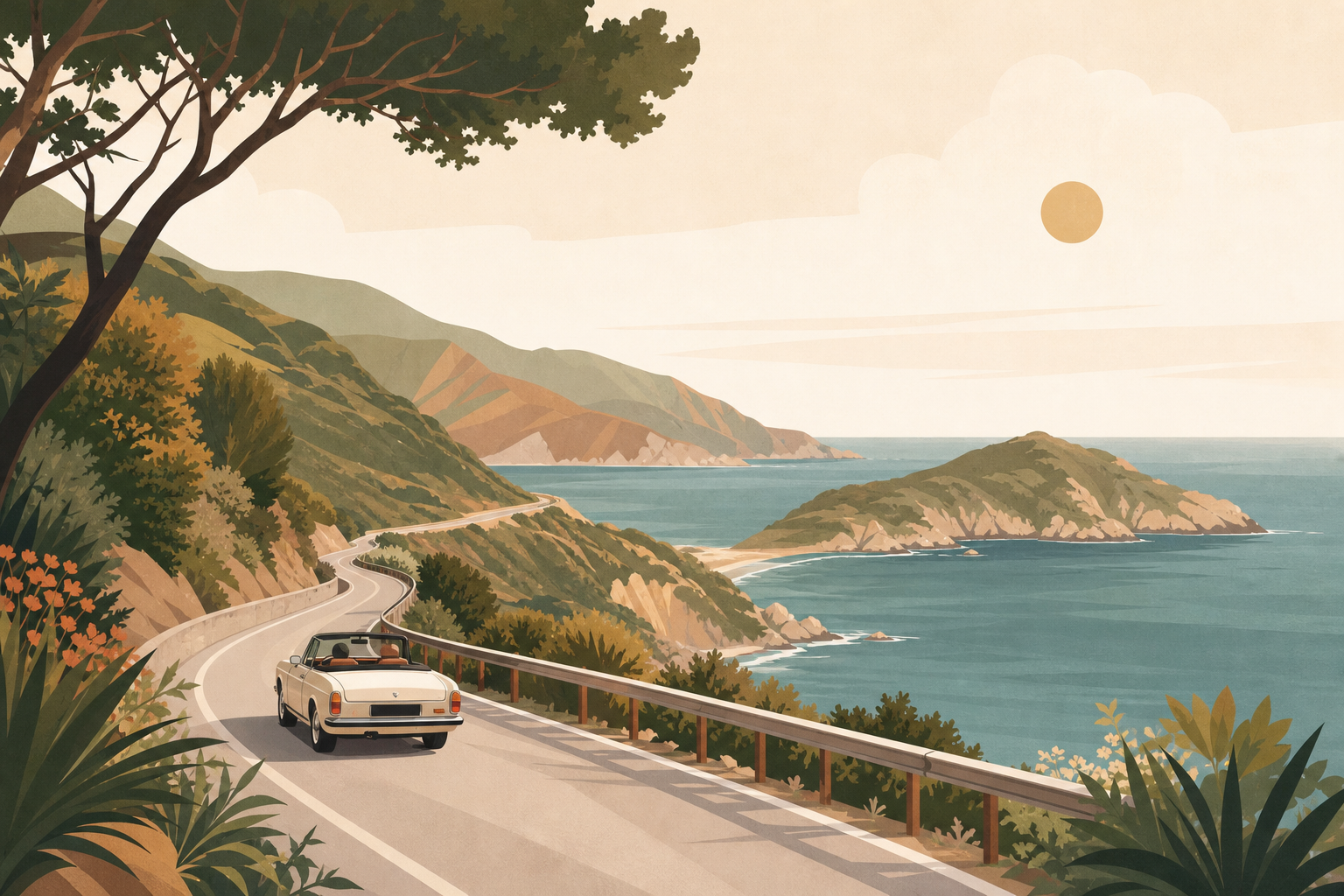
The easiest Cape Toi day is an out-and-back drive with two or three deliberate stops. Trying to add every southern Miyazaki attraction usually turns a quiet headland visit into a rushed parking and navigation exercise.
Leave Hyuga after breakfast, take a break before the final rural approach, and arrive with enough daylight to park properly and walk without watching the clock. At the cape, choose one viewpoint or lighthouse-area stop where access is open, then one short walk or signed scenic pull-in.
Bring simple food or plan to eat in a town on the route rather than depending on a specific cape facility being open. Opening hours and days can change, particularly outside busy travel periods. A convenience-store lunch may be basic, but it gives you flexibility when weather and driving timing change.
Start the return before sunset if you do not know the road. If the group wants dinner, stop earlier in a larger town instead of arriving back in Hyuga tired and hungry. Keep the following morning loose rather than scheduling a dawn surf lesson, long hike, and check-out all at once.
FAQ
Q: Can I visit Cape Toi from Hyuga in one day?
A: Yes. Allow roughly 2.5–3 hours each way by car and treat it as a dedicated full-day road trip. Leave after breakfast, keep stops limited, and return before you are tired or driving unfamiliar rural roads after dark.
Q: Do I need a car for Cape Toi?
A: A car is the most practical option. Rail can get you toward Kushima, but Cape Toi still requires onward transport that should be arranged and checked in advance.
Q: Can I get close to the Misaki horses?
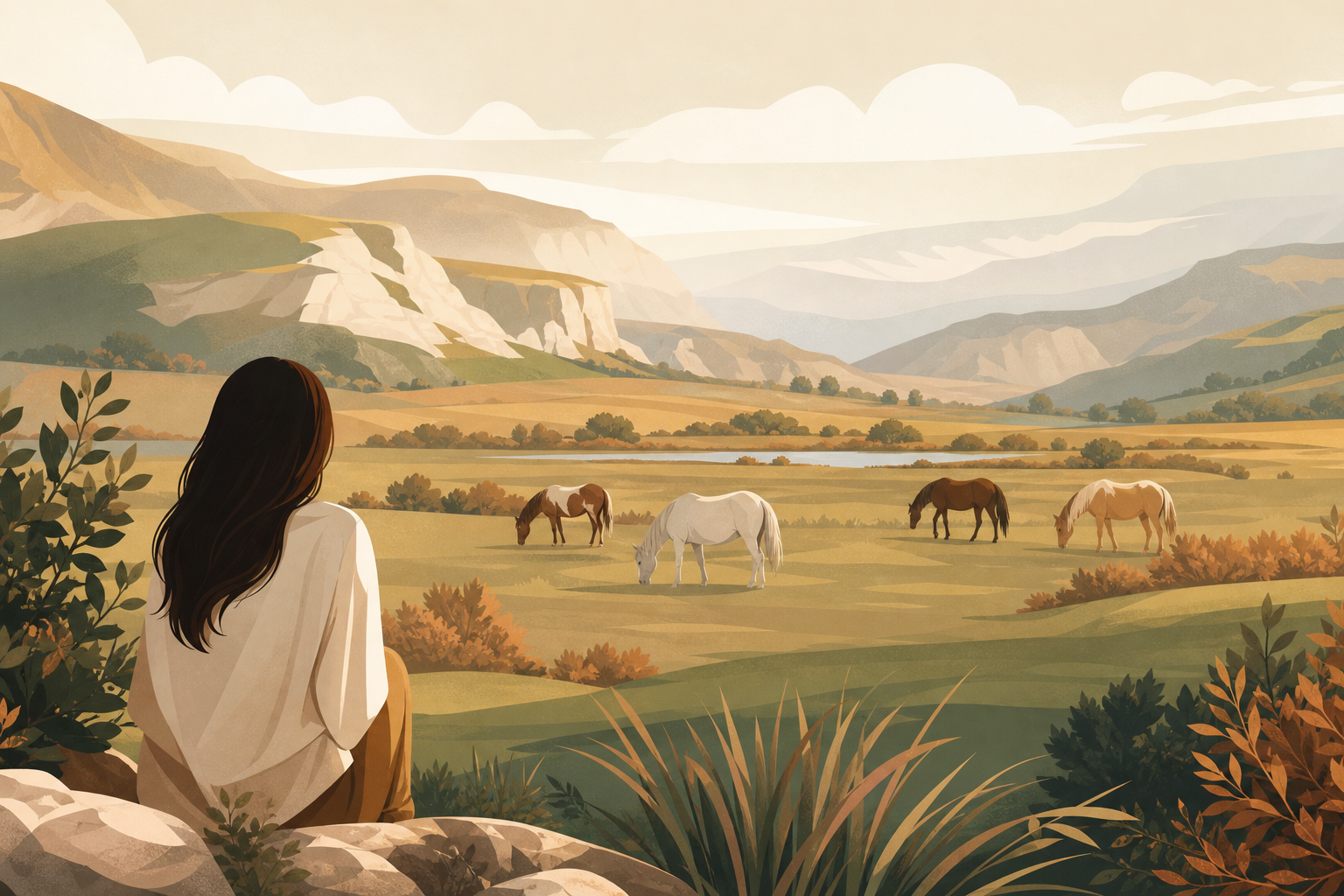
A: No. Watch from a respectful distance, do not feed or touch them, and use designated parking instead of stopping on narrow roads.
Q: Is Cape Toi suitable for beginner surfing?
A: No. Do not plan an improvised beginner surf at the cape. For a Hyuga surf trip, check established areas such as Okuragahama Beach locally and choose conditions suitable for your level.
RESERVATION
Book Your Stay at Hyuga Surf Camp
A whole-house surf guesthouse in Hyuga, Miyazaki — close to Okuragahama and Kanegahama. Ideal for surf trips, groups, and beginners to experienced surfers. Check availability and rates on the booking site.
Book Your Stay at Hyuga Surf Camp
Please confirm current rates, availability and amenities on the booking site.
Sources
- Miyazaki Prefecture Official Tourist Guide: https://www.kanko-miyazaki.jp/
- Kushima City official website: https://www.city.kushima.lg.jp/
- Hyuga Surf Camp booking site: https://beds24.com/booking2.php?ownerid=66214
Keep the day before and after Cape Toi flexible if it sits within a longer Hyuga surf trip. Check local road conditions before departure and confirm current accommodation details rather than relying on an old itinerary.
Related Articles
Comment